
Why Orthodontics?
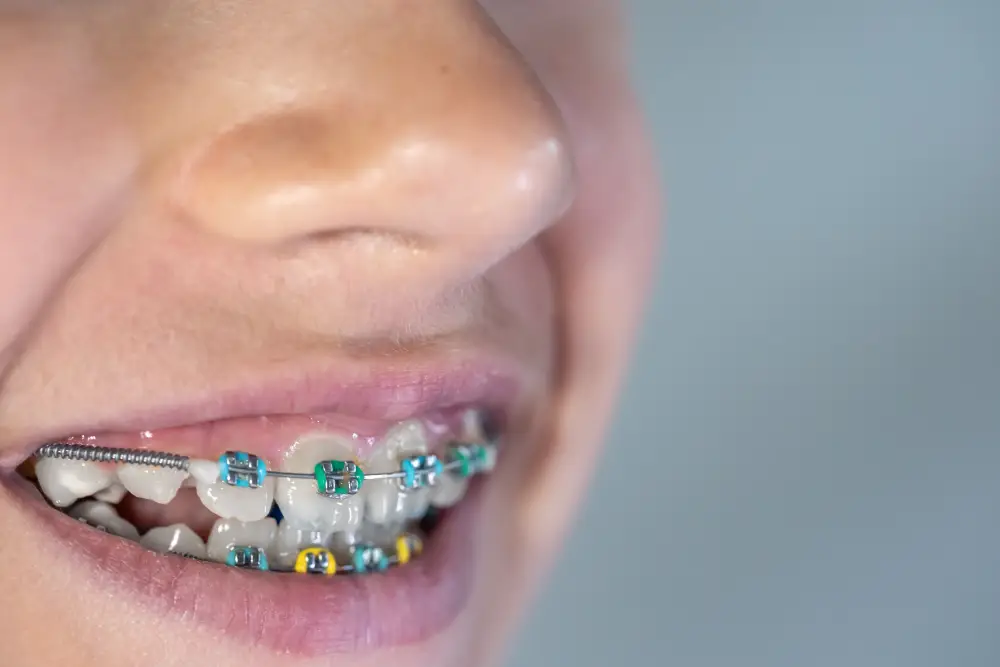
Teeth that are misaligned can not only affect the way your teeth look but can also affect how they work.
This can lead to health problems. Straight teeth can be easier to clean and are therefore less likely to get tooth decay or damaged.
Phase One, or early interceptive treatment, is limited orthodontic treatment (i.e. expander or partial braces) before all of the permanent teeth have erupted. Such treatment can occur between the ages of six and ten. This treatment is sometimes recommended to make more space for developing teeth, correction of crossbites, overbites, underbites, or harmful oral habits. Phase Two treatment is also called comprehensive treatment because it involves full braces when all of the permanent teeth have erupted, usually between the ages of eleven and thirteen.
Signs That Braces May Be Needed
- Upper front teeth protrude excessively over the lower teeth, or are bucked
- Upper front teeth cover the majority of the lower teeth when biting together (deep bite)
- Upper front teeth are behind or inside the lower front teeth (underbite)
- The upper and lower front teeth do not touch when biting together (open bite)
- Crowded or overlapped teeth
- The center of the upper and lower teeth do not line up
- Finger or thumb sucking habits which continue after six or seven years old
- Difficulty chewing
- Teeth wearing unevenly or excessively
- The lower jaw shifts to one side or the other when biting together
- Spaces between the teeth
Possible Benefits Of Orthodontics
- A more attractive smile
- Better function of the teeth
- Possible increase in self-confidence
- Increased ability to clean the teeth
- Improved force distribution and wear patterns of the teeth
- Better long term health of teeth and gums
- Guides permanent teeth into more favorable positions
- Reduces the risk of injury to protruded front teeth
- Aids in optimizing other dental treatment
How It Works
Indirect Bonding
Indirect Bonding begins with fabricating a replica of your teeth. This is a quick process and gives us a precise model of your mouth. The brackets are then meticulously positioned on each tooth. In the final step; a custom tray is made that allows us to transfer the brackets from the model directly to your teeth.
By taking the time to place the brackets on a lab model first, it eliminates the process of placing brackets directly on the teeth. It also takes far less time, is more comfortable and allows for fewer loose brackets.
How Braces Work
Braces use steady gentle pressure to gradually move teeth into their proper positions. The brackets that are placed on your teeth and the archwire that connects them are the main components. When the archwire is placed into the brackets, it tries to return to its original shape. As it does so, it applies pressure to move your teeth to their new, more ideal positions.